
Marriage Is Not a Deadline, It’s a Life Decision
24th February 2026
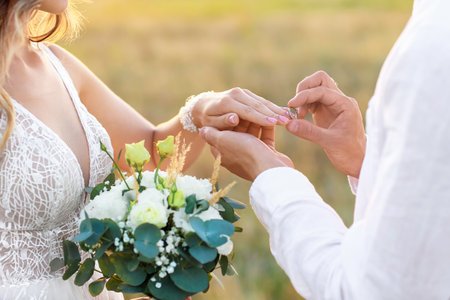
In many cultures around the world, marriage is often treated
like a milestone that must be achieved by a certain age. Questions like “When
are you getting married?” or “Isn’t it time you settled down?” are asked so
frequently that they begin to sound like reminders of an approaching deadline.
Society has created invisible timelines, suggesting that by your mid-20s or
early 30s, you should have found your partner, planned a wedding, and started a
family. But the truth is simple and powerful: marriage is not a deadline. It is
a life decision.
A deadline implies pressure. It suggests that if you don’t
accomplish something within a specific timeframe, you have somehow failed. But
marriage is not an exam to pass or a race to win. It is a lifelong commitment
that shapes your emotional, financial, and personal future. Unlike career goals
or academic achievements, marriage is not about ticking a box. It is about
choosing a partner with whom you are willing to share your dreams,
vulnerabilities, responsibilities, and growth.
When people rush into marriage because of age, family
pressure, or social comparison, they often overlook the most important
question: “Am I ready?” Readiness is not determined by a number. A 25-year-old
can be emotionally mature and prepared for commitment, while a 35-year-old may
still be discovering themselves. Age does not define emotional intelligence,
communication skills, or the ability to compromise—qualities that truly sustain
a marriage.
One of the biggest reasons marriage is mistaken for a
deadline is comparison. In the age of social media, engagement photos, wedding
reels, and anniversary posts are everywhere. It can feel like everyone else is
moving forward while you are standing still. But life is not a synchronized
timeline. Each person’s journey is unique. Some people focus on education, some
build careers, some travel the world, and some take time to heal from past
experiences. All of these paths are valid. Marriage should complement your
life, not interrupt your personal growth.
Another important aspect to consider is self-awareness.
Before committing to someone else, you must understand yourself. What are your
values? What are your long-term goals? How do you handle conflict? What are
your expectations from a partner? Marriage is not just about love; it is about
compatibility, shared vision, and mutual respect. Taking time to know yourself
is not selfish—it is responsible. When you understand who you are, you are more
likely to choose a partner who aligns with your life, rather than someone who
simply fits a timeline.
Financial stability is another factor often overlooked when
marriage is rushed. Love is essential, but practical realities matter too.
Managing expenses, planning for the future, and making joint decisions require
maturity and preparation. Entering marriage under pressure without emotional or
financial readiness can create unnecessary stress. A well-thought-out decision
reduces future conflicts and builds a stronger foundation.
It is also important to challenge the belief that being
unmarried by a certain age means something is wrong. Being single is not a
problem to be solved. It can be a time of immense growth, independence, and
self-discovery. Many people find that their single years help them build
confidence, pursue passions, and establish strong friendships. These
experiences enrich a future marriage rather than delay it.
Family expectations can sometimes intensify the sense of
urgency. Parents and relatives may worry about societal perceptions or cultural
traditions. While their concerns often come from love, it is crucial to
remember that you are the one who will live with the consequences of your
decision. Marriage affects your daily life, your mental well-being, and your
long-term happiness. Therefore, the decision must ultimately be yours.
Choosing marriage thoughtfully also means understanding that
it is not a guarantee of happiness. A wedding lasts a day; a marriage lasts a
lifetime. The real work begins after the celebrations end. Communication,
compromise, patience, and trust are daily practices. Entering marriage because
“it’s time” rather than because “it feels right” can lead to regret. On the
other hand, choosing marriage when you are emotionally prepared and confident
in your partner creates a partnership built on intention, not pressure.
There is also strength in waiting. Waiting does not mean you
are behind; it means you value the seriousness of the commitment. A decision
that shapes decades of your life deserves reflection. The right partnership
often feels less like a ticking clock and more like a natural alignment of two
lives moving in the same direction.
Ultimately, marriage should be a choice rooted in love,
clarity, and readiness—not fear of judgment or fear of being left out. Your
life is not a race against your peers or a checklist designed by society. It is
a personal journey with its own rhythm and pace.
So instead of asking, “Am I late?” ask, “Am I ready?”
Instead of thinking, “Everyone else is getting married,” think, “Is this the
right person and the right time for me?” When marriage is approached as a life
decision rather than a deadline, it becomes what it is meant to be: a
meaningful partnership built on intention, respect, and shared growth.
In the end, the most important timeline is your own. And the
best marriages are not the fastest ones—they are the most thoughtful ones.